What is Last Mile Delivery?
The final step of the delivery process: from the distribution center to the customer's doorstep.
Last mile delivery is the most critical and costly segment of the supply chain. It directly impacts customer satisfaction, operational costs, and business reputation. Understanding and optimizing this stage is essential for any delivery operation.
The Three Stages of Delivery
Every package goes through three key stages before reaching the customer. Understanding these stages helps you see why the last mile is the most challenging and costly.
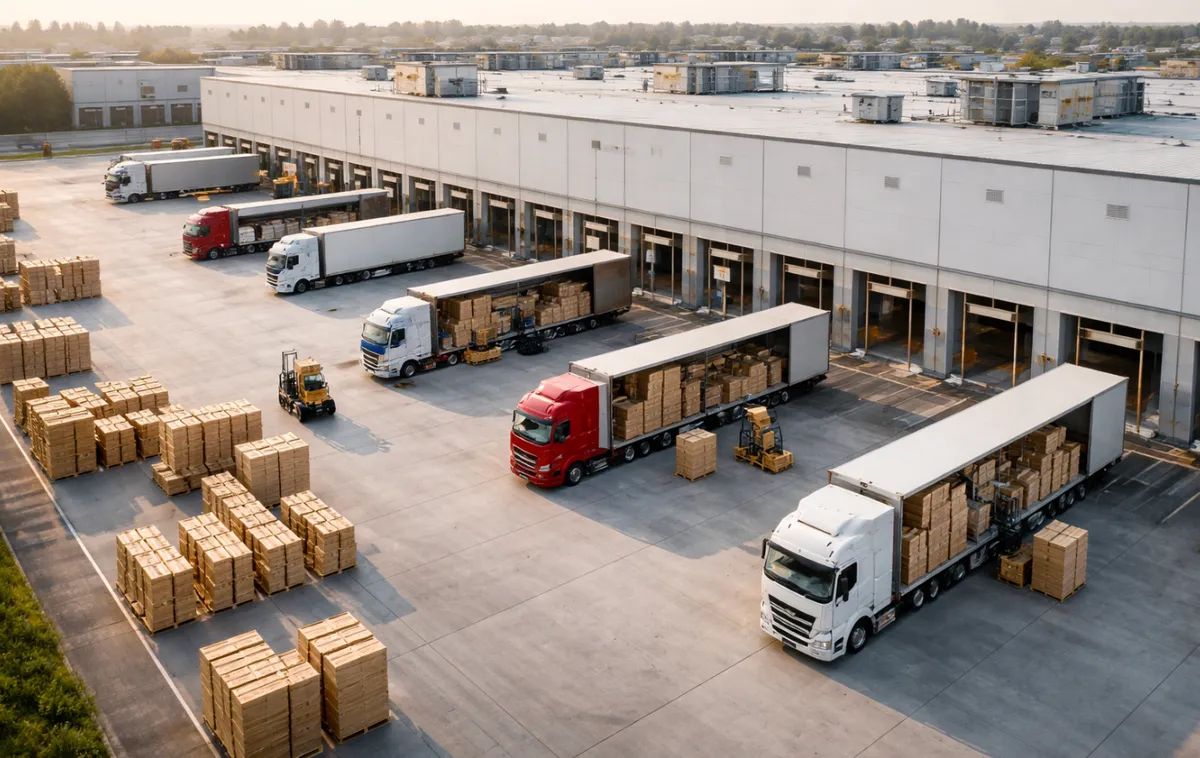
First Mile
The journey begins when products leave the seller's warehouse or fulfillment center and are transported to a regional distribution hub. This stage is typically bulk shipping: large volumes moving on fewer trucks over long distances. Because shipments are consolidated, first mile logistics is relatively efficient and predictable compared to later stages.
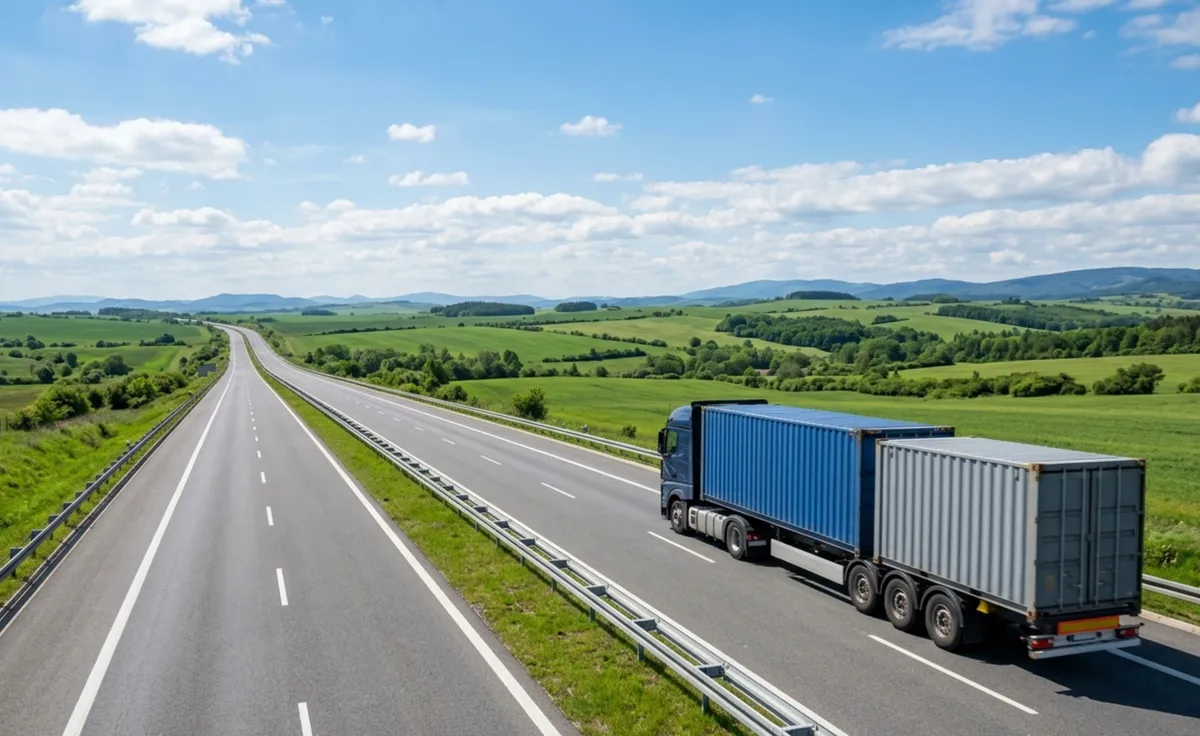
Middle Mile
Packages are sorted and routed from regional distribution centers to local delivery hubs closer to the end customer. This stage involves sorting facilities, cross-docking, and inter-hub transfers. Efficiency here depends on accurate demand forecasting and well-coordinated hub networks to ensure packages reach the right local station on time.
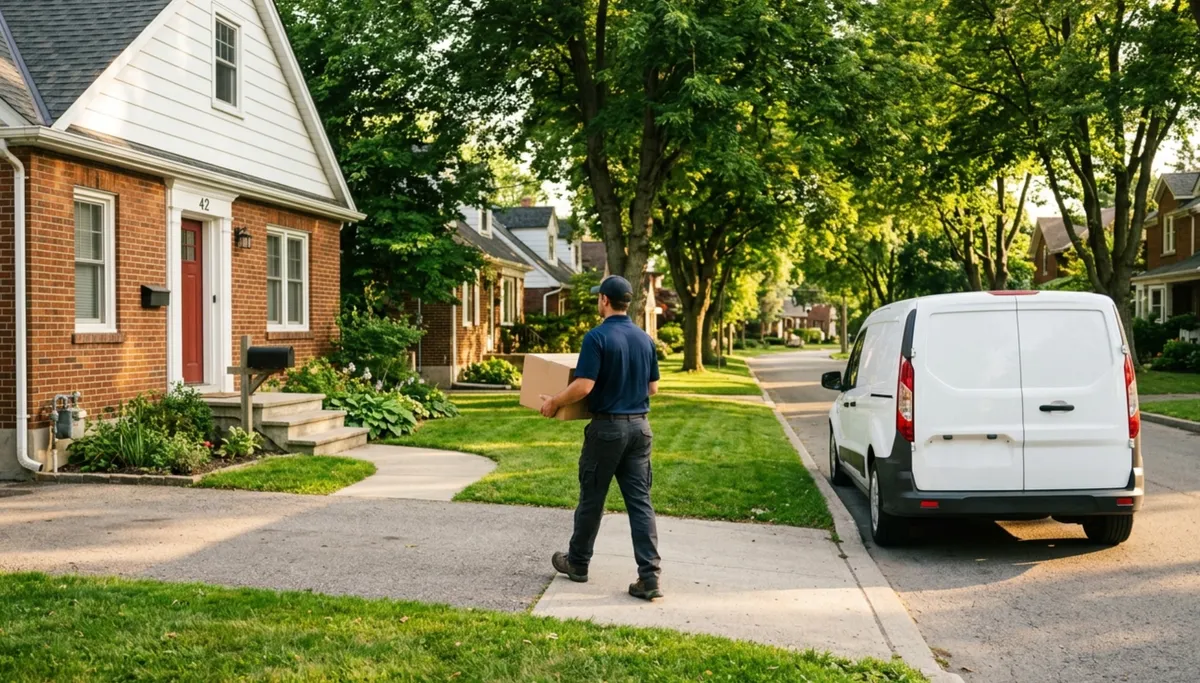
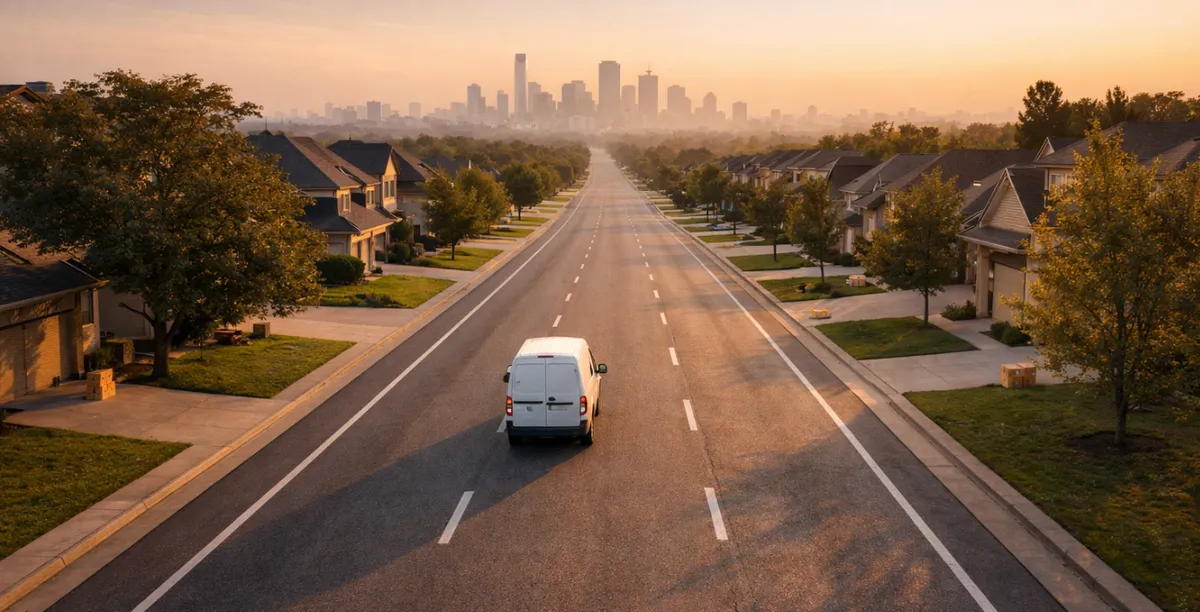
Last Mile
The most complex stage of the entire supply chain. Packages leave the local hub on delivery vehicles and must be delivered individually to each customer's address. Drivers navigate traffic, time windows, access restrictions, and failed delivery attempts across diverse urban and rural environments.
The Challenges Every Delivery Team Faces
Whether you're running 20 deliveries a day or 2,000, these problems look the same.
The Delivery Process: Old Way vs. Smart Way
| Step | Traditional | With iDirect |
|---|---|---|
| 1Order Import | Manually type each address from emails or phone calls into a spreadsheet. | Batch import orders from Excel, API, or customer self-service links in seconds. |
| 2Route Planning | Draw routes on a paper map or guess the best sequence from memory. | Algorithms optimize routes considering distance, traffic, time windows, and vehicle capacity. |
| 3Driver Assignment | Call or text each driver individually with their delivery list. | Auto-assign tasks based on driver location, skills, and workload balance. |
| 4On the Road | Drivers follow their own routes with no oversight. No one knows where they are. | Real-time GPS tracking with turn-by-turn navigation and live ETAs for every stop. |
| 5Proof of Delivery | A paper signature that gets lost. No photos. No timestamps. Disputes are common. | Digital signatures, photos, PIN codes, and GPS verification -- all timestamped and stored. |
| 6Analysis & Improvement | No data to review. Same problems repeat every day. | Detailed analytics on route efficiency, driver performance, and delivery success rates. |
How iDirect Solves These Challenges
Purpose-built for delivery teams who need to move fast without losing control.
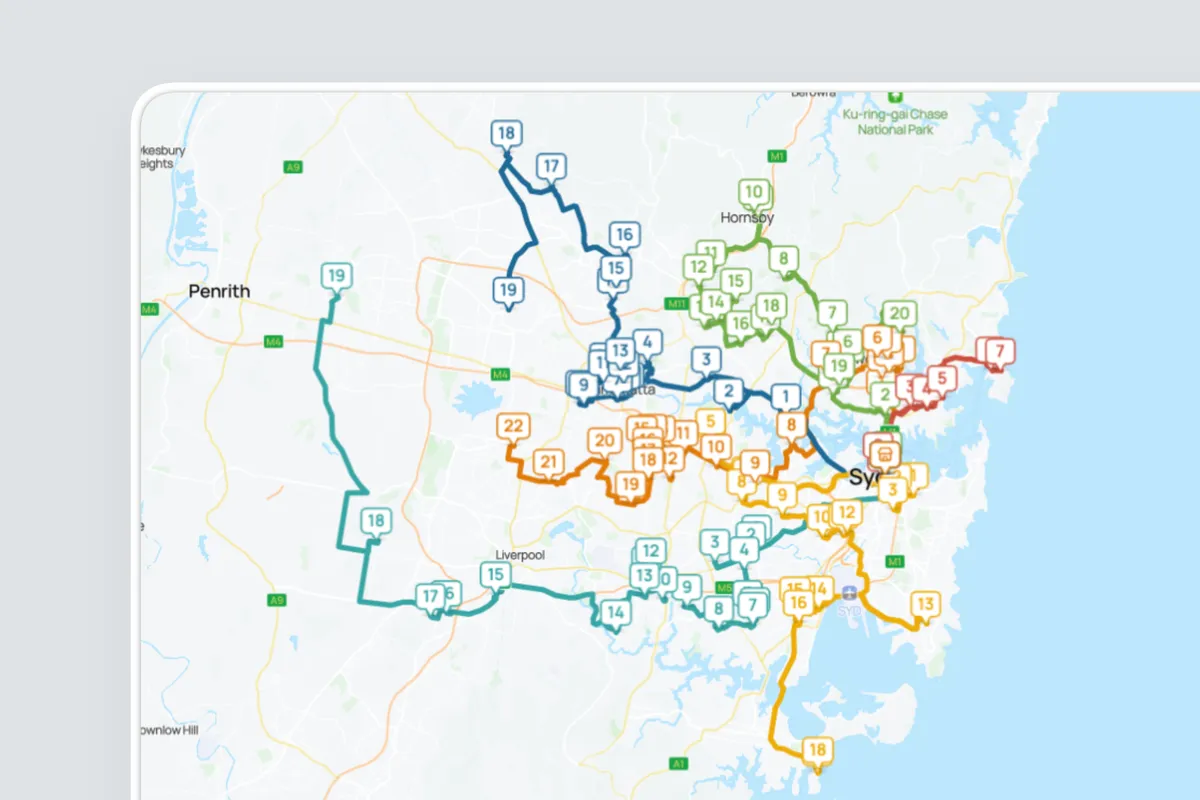
Smart Route Optimization
Our optimization engine calculates the most efficient routes in seconds, considering real-world constraints like time windows, vehicle capacity, and traffic patterns. Plan 100+ stops in under a minute.
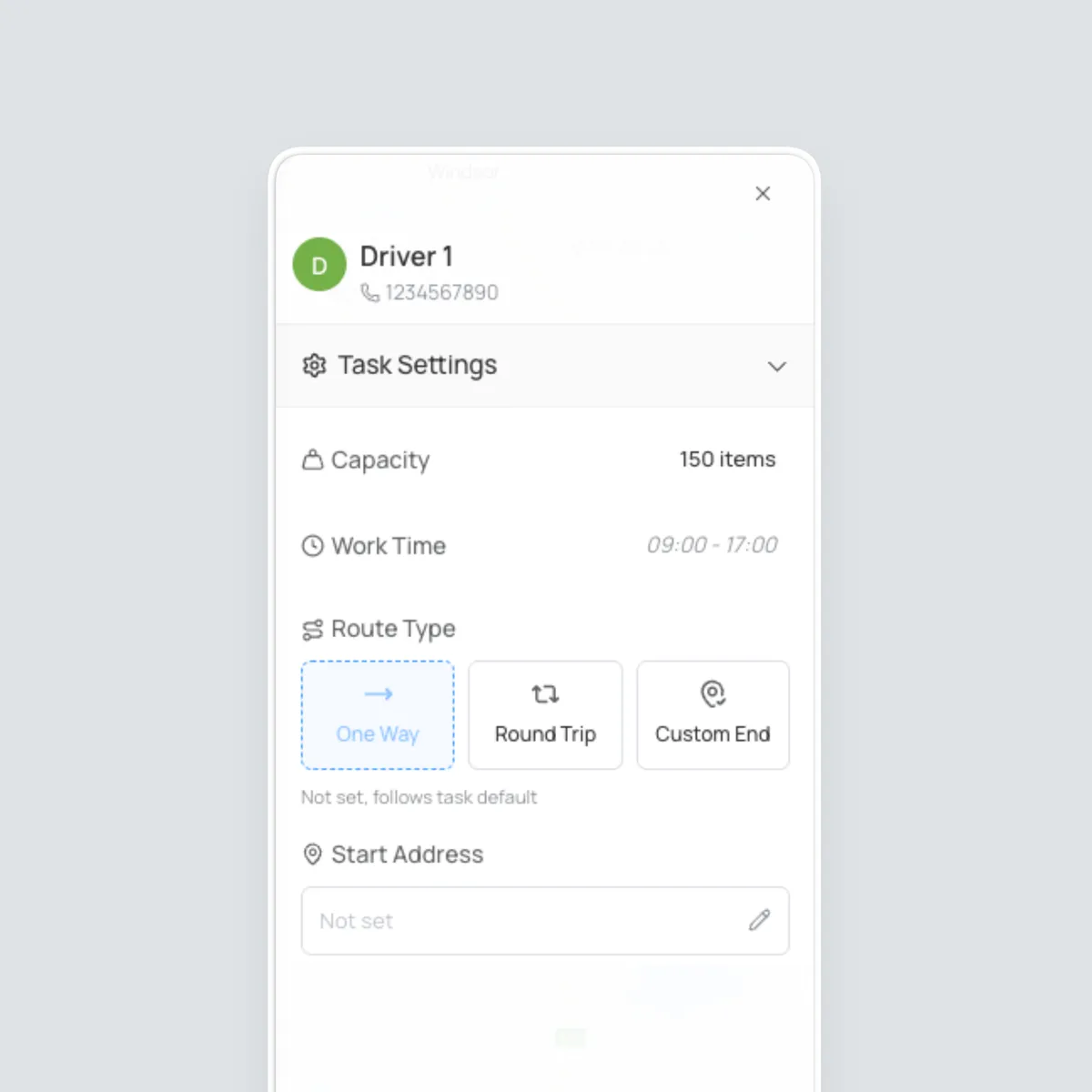
Automated Driver Management
Intelligently distribute tasks across your fleet based on location, capacity, and skills. Keep workloads balanced and drivers productive -- no more manual call lists.
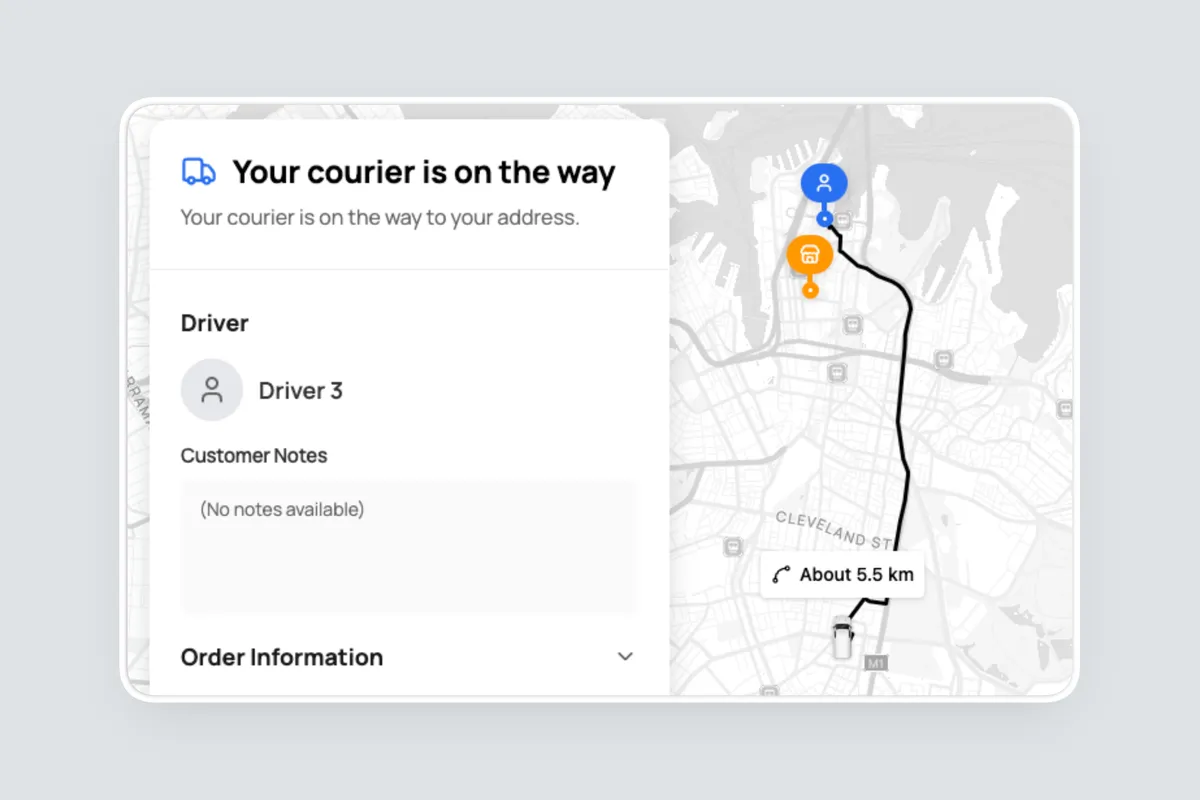
Real-Time Tracking & Notifications
Give your customers live tracking pages and automated SMS/email updates. Reduce support calls by up to 80% and build trust with complete transparency.
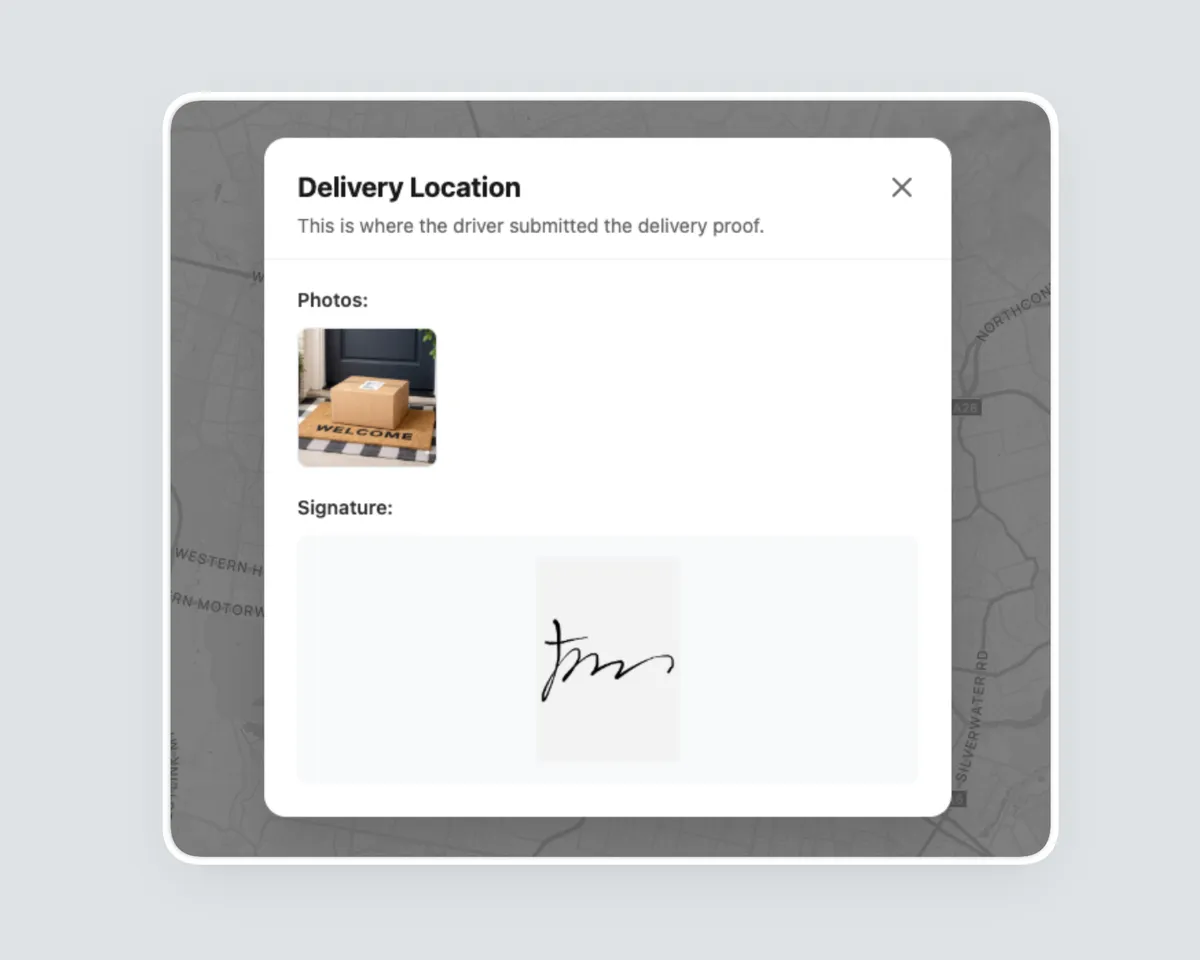
Complete Proof of Delivery
Capture signatures, photos, PIN codes, barcodes, and GPS verification at every stop. All evidence is timestamped, cloud-stored, and downloadable from your dashboard.
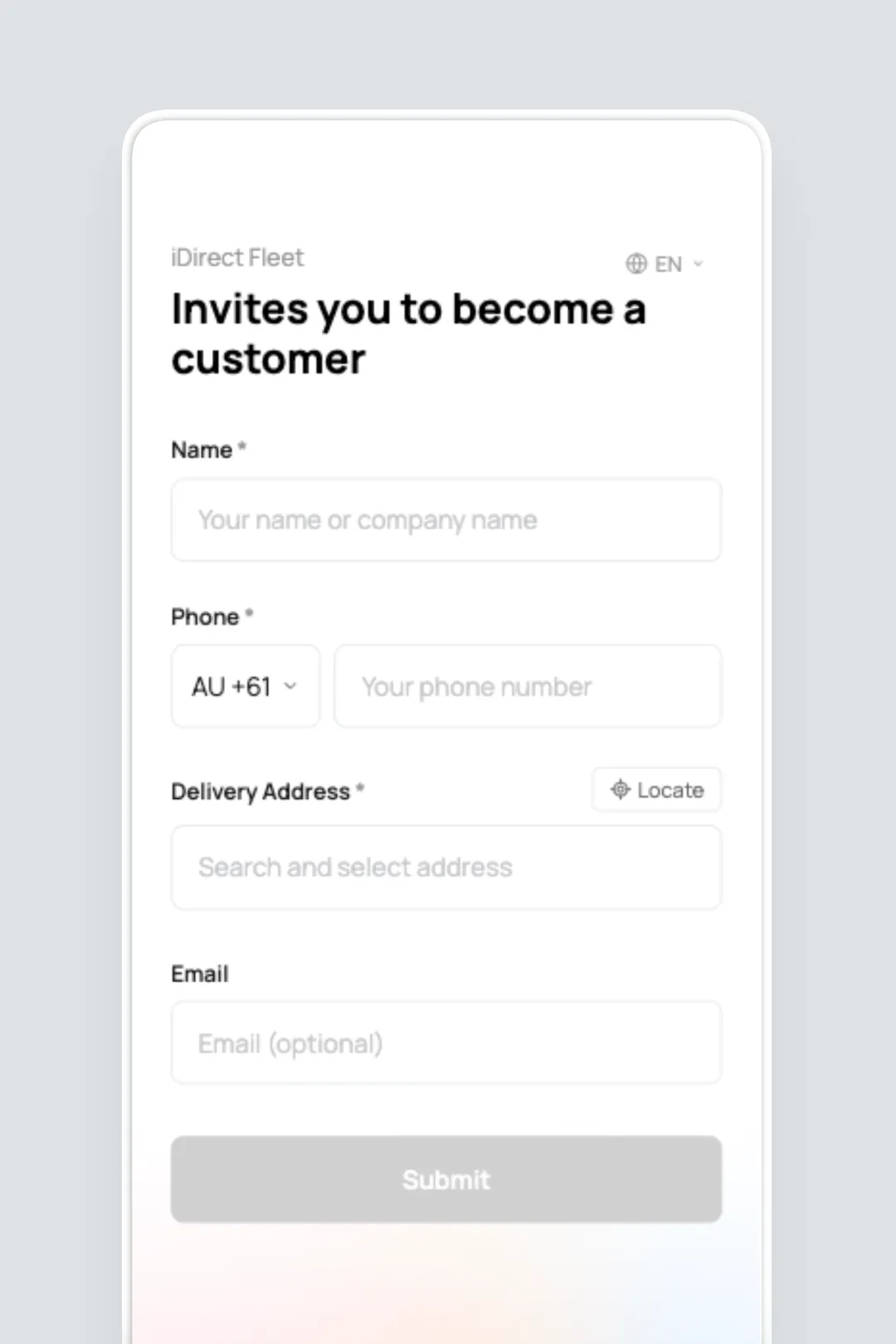
Customer Self-Service Links
Invite customers to fill in their delivery details via a shareable link. Eliminate manual data entry errors and speed up your order intake process.
The Impact of Getting Last Mile Right
Delivery teams using route optimization software see measurable improvements from day one.
Frequently Asked Questions
Last mile delivery is the final step in the shipping process, where goods move from a local distribution hub to the customer's door. Despite being the shortest distance, it's the most expensive and complex part of logistics, accounting for over 53% of total shipping costs.
The cost comes from multiple individual stops (vs. bulk transport), failed delivery attempts averaging $17 each, inefficient routing, driver idle time, and the need for real-time tracking. Urban congestion and rural distances add further complexity.
Route planning software uses advanced algorithms to find the optimal sequence of stops, reducing total driving distance and time. This directly cuts fuel costs, allows more deliveries per driver per day, and minimizes failed delivery attempts through better time window management.
Proof of delivery (POD) is documented evidence that a delivery was completed -- such as photos, electronic signatures, PIN codes, or GPS timestamps. It protects businesses from false claims of non-delivery and reduces disputes, chargebacks, and refund costs.
Urban deliveries face traffic congestion, parking restrictions, and high-density stops with access challenges (apartments, offices). Rural deliveries deal with long distances between stops, poor road conditions, and limited address accuracy. Route optimization software handles both scenarios by adapting algorithms to local conditions.
Absolutely. Even teams with 2-3 drivers see significant improvements. The time saved on manual planning alone -- often 1-2 hours daily -- pays for the software. Plus, optimized routes mean fewer miles, less fuel, and more deliveries per day.
Ready to Optimize Your Last Mile?
Join delivery teams who have cut planning time by 80% and reduced fuel costs by 30%.
Try iDirect Free for 7 Days